

Quick answer
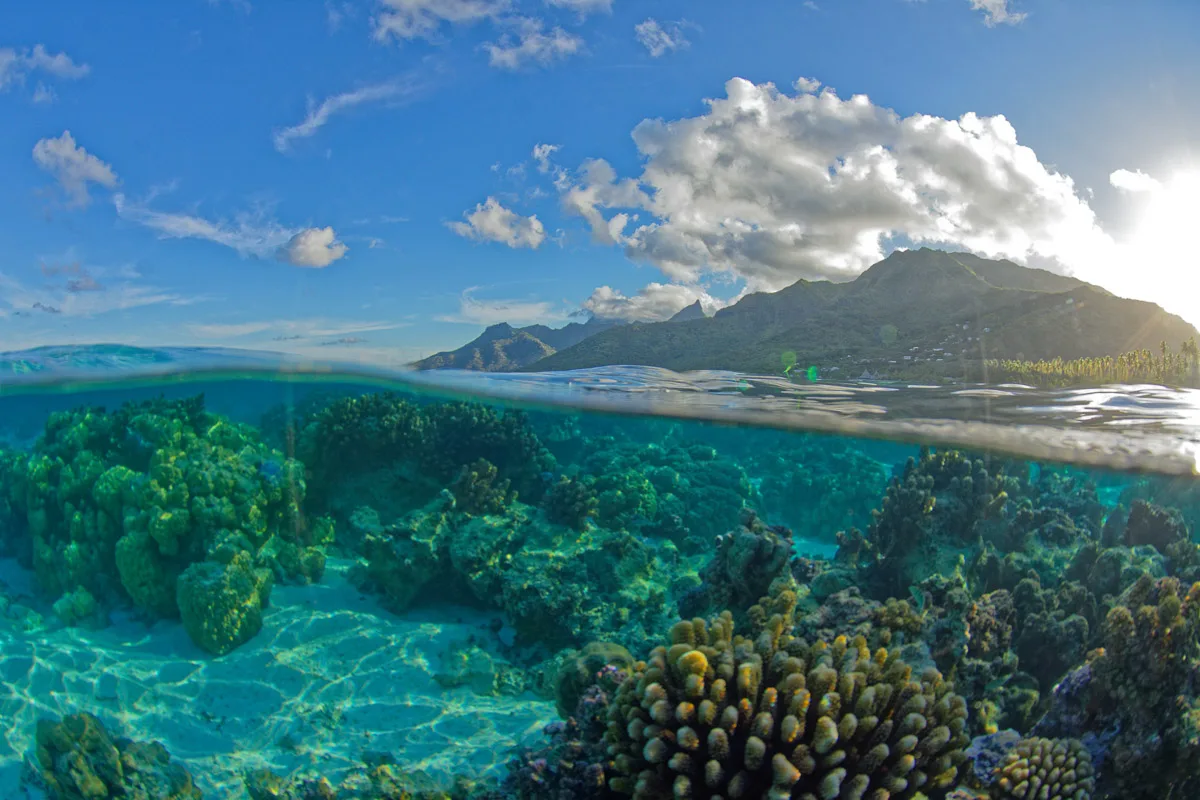
Tahiti Papeete snorkeling takes place in the public lagoon areas along Punaauia and Papeete's western coast, with free access year-round. Morning sessions between 7:00 and 11:00 AM deliver the clearest water before afternoon trade winds and tidal shifts reduce visibility. Coral formations begin in waist-deep water within 20 meters of shore, and the protected lagoon environment keeps currents manageable for swimmers of all levels.
The barrier reef encircling Tahiti creates a calm lagoon ecosystem where coral heads thrive in water rarely deeper than four meters near the shoreline access points. Unlike outer-reef snorkeling that requires boat transport and advanced skills, tahiti papeete snorkeling sites sit within swimming distance of public beaches, where parrotfish, butterflyfish, and damselfish move between staghorn and brain coral formations that have grown undisturbed for decades. Visibility in the lagoon fluctuates with tidal exchange and wind patterns. Morning light penetrates the water column at an angle that illuminates the coral without the refraction scatter common after midday, and the lagoon's sandy bottom reflects ambient light upward, extending effective viewing range to 15 meters on calm days. Afternoon mara'amu winds from the southeast generate surface chop that suspends sediment, cutting clarity by half and making photography difficult. Locals time their snorkeling in Tahiti's lagoon around these predictable weather windows rather than seasonal changes, since water temperature holds steady between 26°C and 29°C year-round. The coral gardens between Punaauia's PK 18 marker and Papeete's Vairai Beach host distinct micro-habitats shaped by freshwater runoff from inland valleys. Moray eels occupy crevices in the denser coral clusters near the barrier reef's inner edge, while surgeonfish and triggerfish patrol the sand channels that separate coral patches. Blacktip reef sharks occasionally cruise the shallows during high tide, following baitfish schools but showing no interest in snorkelers. The lagoon's protection status prohibits coral collection and spearfishing, enforcement that has kept fish populations stable enough that hand-feeding at popular sites like Tahiti Lagoon near Punaauia remains a visitor tradition, though marine biologists discourage the practice for ecological reasons. Access points lack formal facilities but maintain clear entry paths where the reef flat meets sandy beach. Most snorkelers carry their own masks and fins, since rental availability concentrates around hotel beaches rather than public access zones. The combination of free entry, shallow depth, and reliable marine life makes the Papeete lagoon a training ground for first-time snorkelers and a regular site for underwater photography enthusiasts who chase the nudibranchs and octopuses that emerge during low-light hours.
“Morning light penetrates the water column at an angle that illuminates the coral without the refraction scatter common after midday.”
Best Conditions for Tahiti Papeete Snorkeling
The best arrival window for snorkeling in the Tahiti Lagoon is 07:00–11:00. Arriving during these hours ensures optimal visibility and light conditions before afternoon winds or tides affect water clarity.
Dry Season (May–October)
Moderate crowdsTemperatures 24°C–29°C; minimal rainfall
Lower humidity and steady trade winds provide stable conditions for visibility.
Wet Season (November–April)
Higher crowds during holidaysTemperatures 25°C–31°C; periodic rain
Warmer water temperatures with occasional afternoon showers that may reduce visibility.
Weekday Mornings
Minimal local crowds—
Ideal for calm surface conditions and consistent light before the mid-day winds develop.
Verdict: The best conditions occur during the dry season from May to October, specifically between 07:00 and 11:00 on weekdays.
Opening Hours for Tahiti Papeete Snorkeling Access
Public beach areas near the Tahiti Lagoon are accessible throughout the entire week.
| Monday | 00:00–23:59 | |
|---|---|---|
| Tuesday | 00:00–23:59 | |
| Wednesday | 00:00–23:59 | |
| Thursday | 00:00–23:59 | |
| Friday | 00:00–23:59 | |
| Saturday | 00:00–23:59 | |
| Sunday | 00:00–23:59 |
Getting to Tahiti Papeete Snorkeling Locations
The snorkeling areas of Tahiti Lagoon are primarily located along the coastline of Punaauia, south of Papeete. Reaching these sites is most efficiently achieved via rental vehicle or local bus transport along the main coastal road.
Follow Route de ceinture (RT1) south from Papeete towards Punaauia
Take the public bus service heading toward Taravao from the Papeete bus station, exiting near PK 15
Direct transfer from Papeete city center to Punaauia beach access points
Tahiti Papeete Snorkeling Preparation Checklist
Prepare these essentials for safe and comfortable snorkeling in Tahiti's lagoon waters.
-
Pack reef-safe sunscreen (SPF 50+) — Protects skin and coral; chemical sunscreens are prohibited in French Polynesia.
-
Bring your own snorkel gear — Rentals are limited in public lagoon areas; ensures proper fit and hygiene.
-
Wear a rash guard or wetsuit — Prevents sun exposure and provides warmth in cooler morning water.
-
Carry a dry bag for valuables — Keeps phones, keys, and documents safe while you're in the water.
-
Check tide and wind forecasts — Afternoon winds can reduce visibility; plan around calmer morning conditions.
-
Bring drinking water and snacks — No facilities at many public beach access points along the lagoon.
-
Consider reef-safe footwear — Protects feet from sharp coral and sea urchins in shallow areas.
Check availability
Frequently asked questions about tahiti papeete snorkeling
Everything you need to know about tahiti papeete snorkeling