

Quick answer
Tahiti Lagoon delivers easier shore access and calmer conditions for beginners, with free entry to public snorkel zones in Punaauia and visibility often exceeding 25 meters during morning hours. Fiji offers more biodiversity across its outer reefs but requires boat transfers and navigating stronger currents. If you want walk-in snorkeling with minimal planning, Tahiti wins. If you're comfortable with logistics and want maximum coral variety, Fiji's remote sites justify the effort.
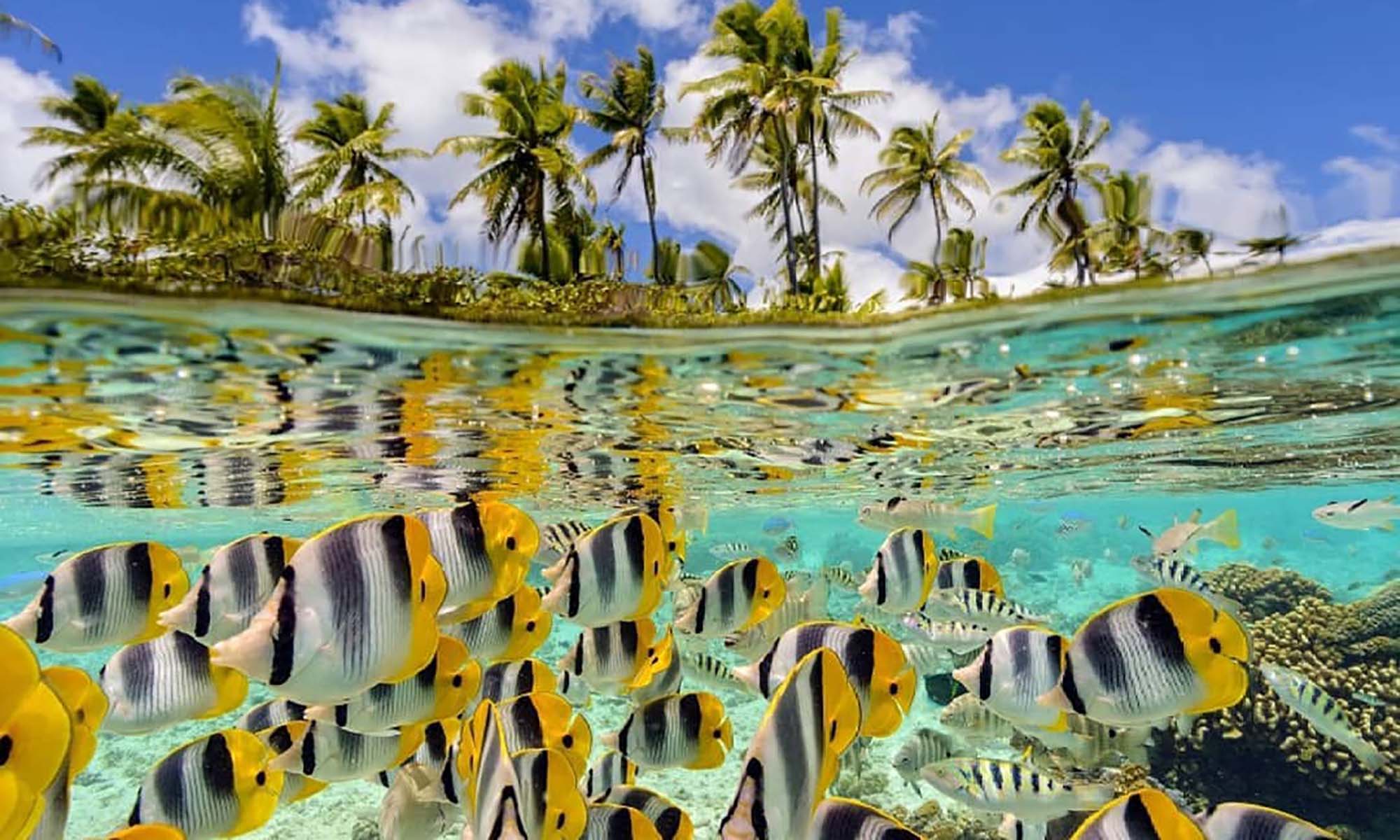
Tahiti Lagoon's volcanic geography creates natural amphitheaters where coral gardens sit 2 to 8 meters below the surface, accessible from sandy entries along the west coast. The barrier reef running parallel to shore breaks Pacific swells before they reach the lagoon, leaving inner waters flat even when offshore winds pick up. Fiji's reefs, by contrast, encircle more than 300 islands, meaning premier snorkel sites often lie 40 minutes by boat from the main hubs in Nadi or the Coral Coast. That dispersion rewards you with soft coral walls and pelagic flyovers, but it also means weather delays and transfer costs that Tahiti's shore-accessible sites eliminate. Water clarity separates the two destinations more than most travelers expect. Tahiti's lagoon benefits from minimal river runoff in the dry season and a tidal exchange that flushes sediment twice daily. Arriving between 08:00 and 11:00 captures the window when morning light penetrates deepest and afternoon trade winds have not yet stirred the shallows. Fiji's visibility swings wider depending on your island—Taveuni and the Mamanuca group hold their clarity year-round, but mainland sites near river mouths cloud after rain. Neither destination requires you to choose between coral health and convenience, but Tahiti compresses the variables into a tighter margin for error. Marine life density tilts toward Fiji if your checklist includes manta rays, reef sharks, and macro critters like nudibranchs. Tahiti Lagoon hosts healthy populations of butterflyfish, parrotfish, and the occasional blacktip reef shark in deeper channels, but the species count per dive remains lower than Fiji's biodiversity hotspots. For first-time snorkelers or families prioritizing ease over species tallies, Tahiti's predictable conditions and zero entrance fees make it the pragmatic pick. Experienced snorkelers willing to coordinate boat charters and tolerate rougher surface conditions will find Fiji's outer reefs worth the logistics, especially between May and October when southern humpback whales migrate through the archipelago.
“Tahiti's barrier reef breaks Pacific swells before they reach the lagoon, leaving inner waters flat even when offshore winds pick up.”
Tahiti or Fiji for Snorkeling: Key Differences
Choosing between Tahiti and Fiji requires evaluating specific underwater environments, as both South Pacific destinations offer distinct snorkeling experiences. This comparison helps you align your preferences with the geography and marine conditions of each region.
| Tahiti French Polynesia | Fiji Melanesia | |
|---|---|---|
| Marine Life Diversity | High density of rays and blacktip reef sharks | High diversity of soft corals and reef fish |
| Coral Type and Health | Predominantly volcanic rock and barrier reef formations | Extensive soft coral gardens and intricate reef structures |
| Lagoon Accessibility | High access via public beaches in Punaauia | Often requires boat transit to outer reef systems |
| Visibility and Currents | High visibility with moderate oceanic currents | Varies significantly with tidal influence in channels |
| Shore vs Boat Snorkeling | Strong shore access at Punaauia | Primarily boat-based access to remote reefs |
Verdict: Select Tahiti for accessible shore snorkeling near volcanic landscapes, or choose Fiji for superior soft coral diversity and boat-based reef exploration.
Best Time of Year for Tahiti or Fiji for Snorkeling
The period from May to October offers the most favorable snorkeling conditions due to the dry season, which provides lower humidity and optimal water clarity. Within any given day, the best arrival window is 08:00–11:00 to minimize wind interference and maximize visibility.
Dry Season (May–Oct)
Low to moderate24°C–28°C, minimal rainfall
Lower humidity and steady tradewinds create consistent water conditions for observing marine life.
Wet Season (Nov–Apr)
Moderate to high26°C–30°C, higher humidity
Occasional rain showers occur, though water remains warm throughout the season.
Daily Window (08:00–11:00)
Lowest—
Arriving during this window ensures the calmest surface conditions and highest water clarity before afternoon winds develop.
Verdict: The optimal time for snorkeling is between May and October, specifically during the arrival window of 08:00–11:00.
Opening Hours for Tahiti or Fiji for Snorkeling: Tahiti Lagoon
Public lagoon areas in Tahiti remain accessible to visitors throughout the entire week. These sites operate on a continuous schedule to accommodate flexible snorkeling plans.
| Monday | 00:00–23:59 | |
|---|---|---|
| Tuesday | 00:00–23:59 | |
| Wednesday | 00:00–23:59 | |
| Thursday | 00:00–23:59 | |
| Friday | 00:00–23:59 | |
| Saturday | 00:00–23:59 | |
| Sunday | 00:00–23:59 |
Entrance Fees for Tahiti or Fiji for Snorkeling: Tahiti Access
Access to public lagoon areas and beaches in Tahiti is provided without charge. There are no entrance fees for individuals visiting these natural coastal zones.
A typical adult pays 0 XPF for lagoon access, as public beach entry remains free for everyone.
Getting to the Best Sites: Tahiti or Fiji for Snorkeling
The snorkeling sites in Punaauia, Tahiti, are located along the western coast of the island. The most direct approach is via the coastal Route de ceinture (RT1).
RT1 Coastal Highway to Punaauia
Public Bus Network (line via Punaauia)
Direct transfer to Punaauia coastal access points
Check availability
Frequently Asked Questions About Tahiti or Fiji for Snorkeling
Everything you need to know about tahiti or fiji for snorkeling