

Quick answer
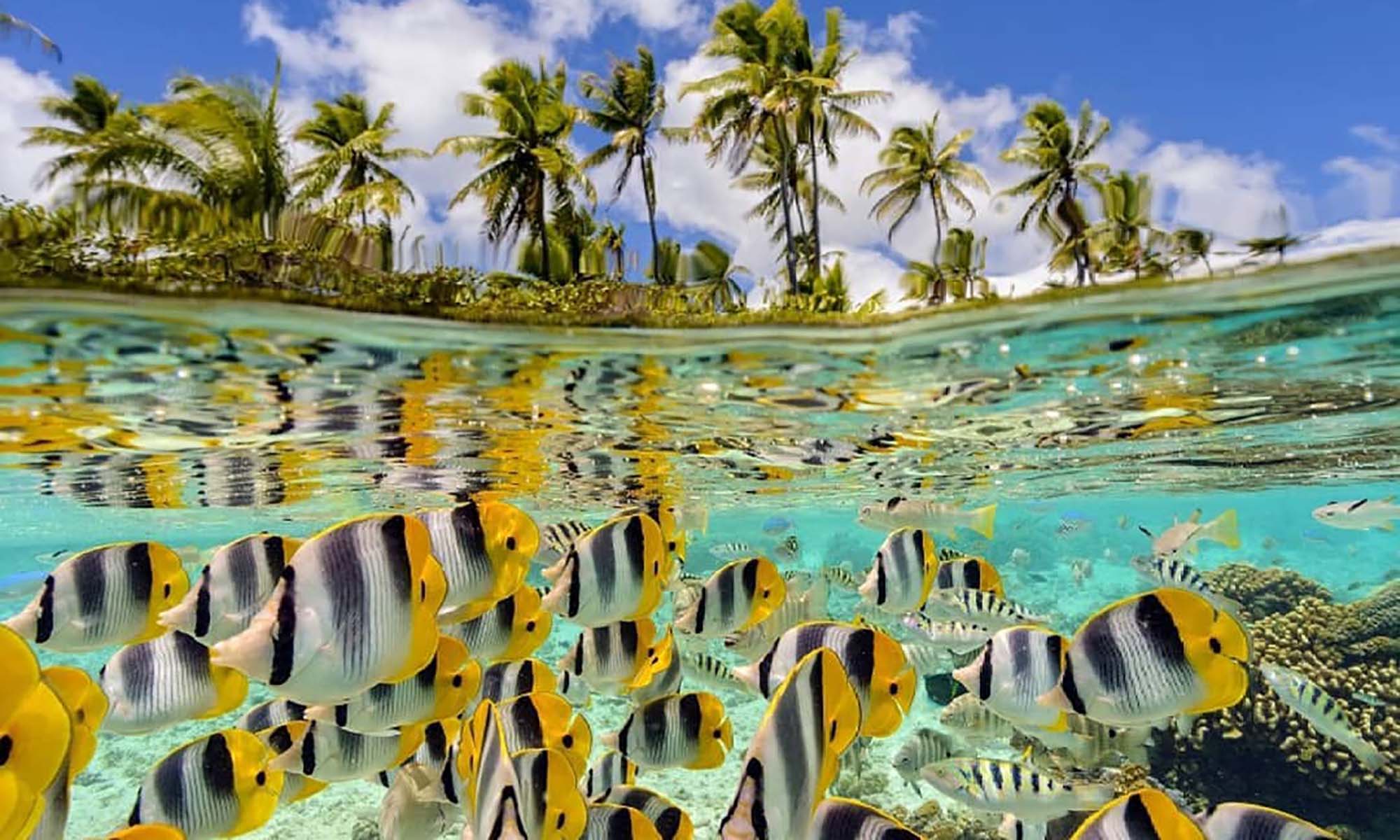
Tahiti snorkeling spots span the island's lagoon perimeter, with the richest concentrations found along the northwest and west coasts where barrier reef proximity creates protected channels filled with parrotfish, butterflyfish, and blacktip reef sharks. Public beach access is free throughout the lagoon, and the best underwater visibility occurs between 9 AM and 2 PM when sunlight penetrates the water column at optimal angles.
The barrier reef enclosing Tahiti's coastline sits roughly 800 meters offshore in most sections, creating a vast shallow lagoon with depths rarely exceeding four meters near shore. This geography produces distinct snorkeling environments: sandy channels cut through coral bommies close to beach entry points, while the outer reef edge—accessible by boat or long swim—hosts larger pelagic species and steeper drop-offs. The northwest shore between Punaauia and Paea holds the densest clusters of tahiti snorkeling spots, where freshwater runoff from inland valleys meets the lagoon and creates nutrient upwellings that support dense coral growth. You'll find table corals, branching staghorn formations, and massive porites colonies within 50 meters of shore. Blacktip reef sharks patrol the sandy channels at dawn and dusk. Green sea turtles graze on seagrass beds near river mouths. The water clarity here depends on recent rainfall—after heavy storms, suspended sediment can reduce visibility to under three meters for 24 to 48 hours. The east coast receives stronger trade winds and ocean swells, which limits safe entry points but delivers clearer water and more consistent wave action that keeps coral surfaces clean. Public access beaches at Papenoo and Hitiaa offer entry to reef systems frequented by surgeonfish schools and moray eels tucked into crevices. The southern peninsula near Teahupo'o presents advanced conditions with strong currents near the pass, better suited to confident swimmers. Marine life activity peaks during the morning hours when fish move into shallow feeding zones and before midday heat drives many species to deeper, cooler water. Rays bury themselves in sand during the hottest part of the afternoon. Most snorkeling areas in the lagoon require no special permits or fees, though some hotel-managed beach sections restrict access to guests. The coral spawning season between November and January brings reduced visibility but increased fish aggregations. Water temperature holds steady at 26 to 29 degrees Celsius year-round, eliminating the need for thermal protection beyond a rash guard for sun coverage.
“The barrier reef sits roughly 800 meters offshore, creating a vast shallow lagoon with depths rarely exceeding four meters near shore.”
When to Visit Tahiti Snorkeling Spots
The best arrival window for snorkeling Tahiti Lagoon is 09:00–14:00, which provides optimal sunlight for water visibility and increased marine life activity. Planning your visit within this period ensures the clearest conditions for observing the reef.
May to October
Moderate crowdsDry season, 24°C to 28°C. Lower humidity levels prevail during these months.
November to April
Lower crowdsHumid, 26°C to 30°C. This period coincides with the wetter summer season.
Weekday mornings
Minimal crowds—
These hours offer the most tranquil environment for accessing the lagoon before afternoon breezes increase surface chop.
Verdict: For the highest water clarity and reduced congestion, aim to visit on a weekday between 09:00 and 14:00 during the dry season months of May or October.
Admission Fees for Tahiti Snorkeling Spots
Access to Tahiti Lagoon snorkeling areas is open to the public. There are no entrance fees required to access these natural marine sites.
Visitors pay 0 XPF for lagoon access, as all public snorkeling spots in the Tahiti Lagoon are free of charge.
Tahiti Snorkeling Spots Opening Hours
Tahiti Lagoon snorkeling spots are accessible to the public 24 hours a day throughout the week. Visitors may access the water at any time.
| Monday | 00:00–23:59 | |
|---|---|---|
| Tuesday | 00:00–23:59 | |
| Wednesday | 00:00–23:59 | |
| Thursday | 00:00–23:59 | |
| Friday | 00:00–23:59 | |
| Saturday | 00:00–23:59 | |
| Sunday | 00:00–23:59 |
Getting to Tahiti Snorkeling Spots
The Tahiti Lagoon is located in the Society Islands, French Polynesia. Access is primarily facilitated by local road networks and maritime transfers to reach the various entry points along the coast.
Follow Route de ceinture (RT1) toward the lagoon access points
Direct transfer to Tahiti Lagoon via RT1
Local charter from Papeete harbor to designated snorkeling zones
Key Zones at Tahiti Snorkeling Spots
The Tahiti Lagoon offers distinct underwater zones characterized by varying depths and coral formations. Exploring these specific areas allows visitors to observe the diverse marine life native to the Society Islands.
Paea Coral Gardens
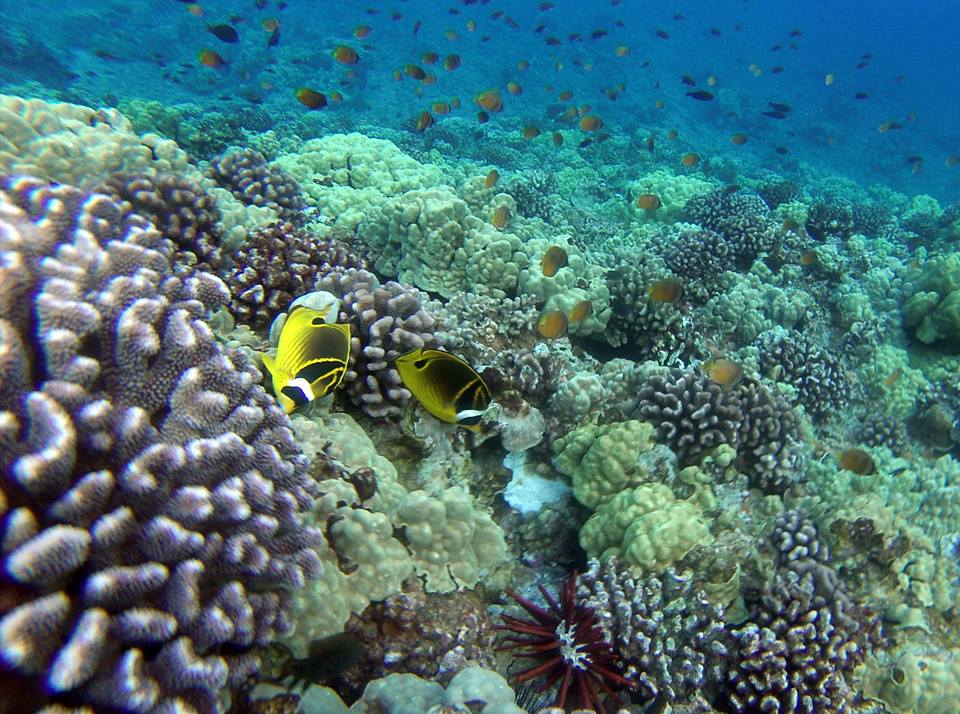
A shallow zone featuring extensive coral plateaus and frequent sightings of butterflyfish and surgeonfish.
Drift slowly over the reef during high tide for better visibility.
Maraa Grotto Waters
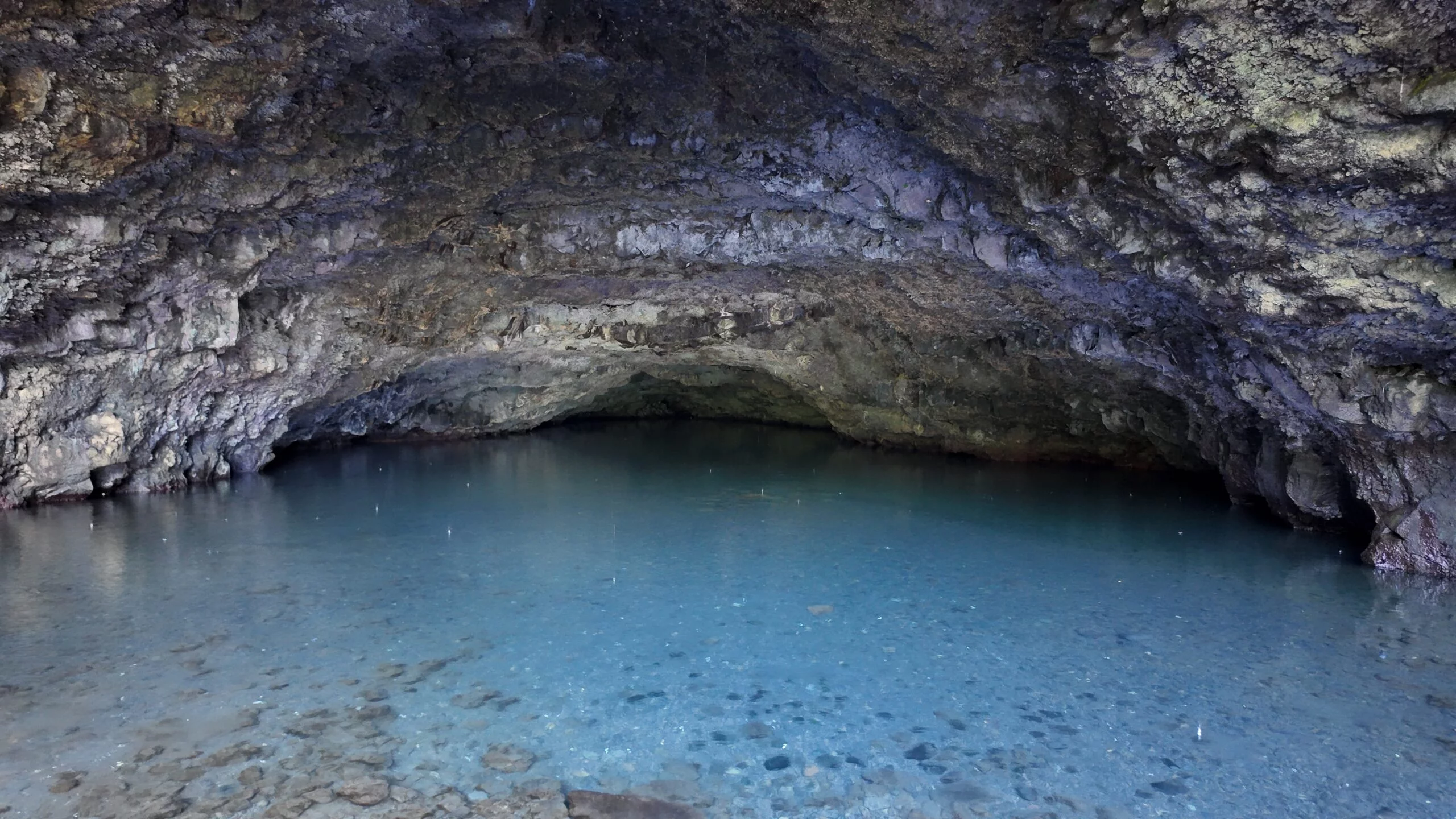
Crystal-clear waters located near rock formations provide a unique environment for spotting small reef fish.
Enter the water from the shore to access the calm interior.
Faa'a Channel
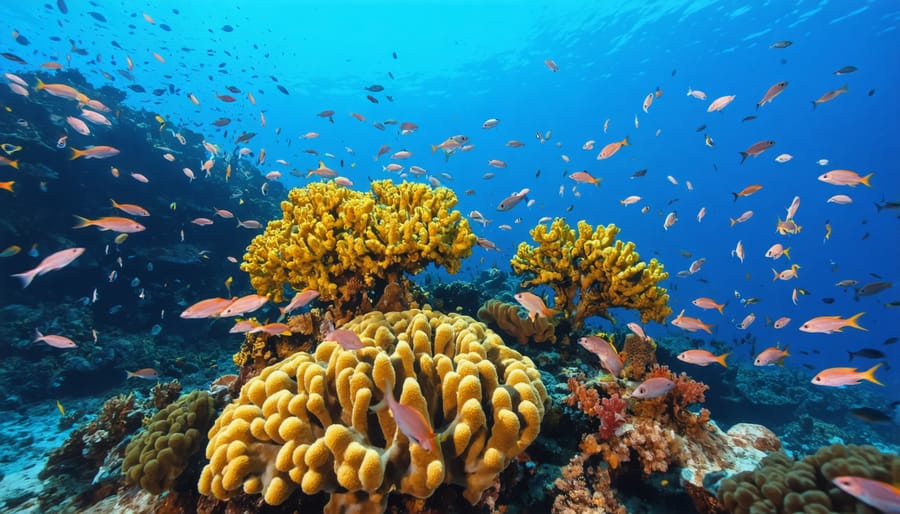
A deeper corridor where larger marine species occasionally pass through between the lagoon and the open ocean.
Stay close to the inner reef edge to avoid currents.
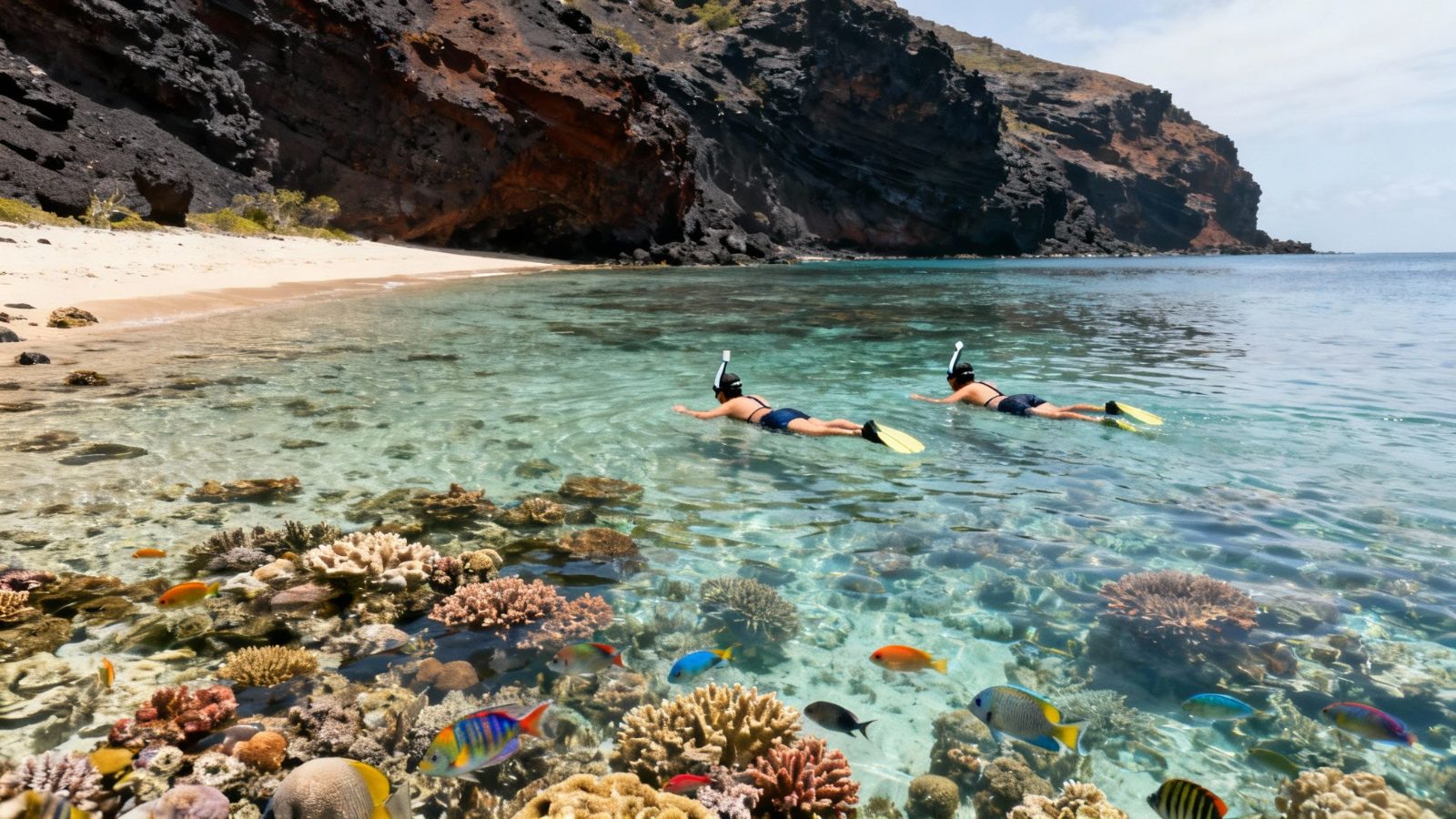
Taharuu Beach Perimeter
The area surrounding this black sand beach offers rocky outcrops that attract schools of tropical fish.
Visit during calm sea conditions to ensure clear underwater views.
Essential Tips for Tahiti Snorkeling Spots
Prioritize ecological mindfulness and personal safety to ensure the longevity of the Tahiti Lagoon ecosystem.
Marine life contact
Avoid touching coral formations or marine animals, as oils from human skin damage delicate reef structures and disrupt natural behaviors.
Sunscreen selection
Use only mineral-based sunscreens containing zinc oxide or titanium dioxide to prevent chemical contamination of the water.
Buoyancy control
Practice floating horizontally and maintain a safe distance from the bottom to avoid accidental contact with sea urchins or venomous stonefish.
Hydration strategy
The tropical sun can cause rapid dehydration even while submerged, so maintain steady water intake before and after your time in the water.
Current awareness
Check local wind and tide conditions before entering the water, as lagoon currents can shift unexpectedly near reef passes.
Fin technique
Use slow, controlled fin strokes to minimize sediment disturbance, which protects water clarity for other snorkelers.
Check availability
Frequently asked questions about tahiti snorkeling spots
Everything you need to know about tahiti snorkeling spots